


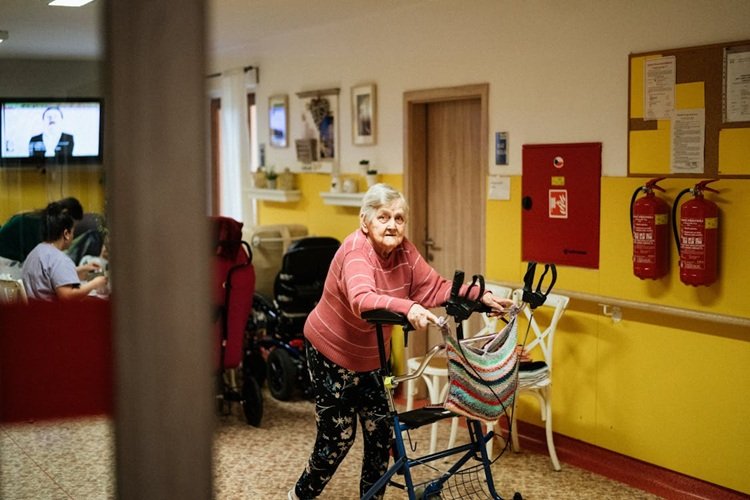
Daily health needs become increasingly important as older adults navigate changes in mobility, energy levels, and overall wellness. Assisted living communities are designed to provide the right balance of support and independence, helping residents maintain comfort, safety, and confidence throughout their daily routines. These communities offer structured services, personalized care, and thoughtfully designed environments that make it easier for seniors to stay healthy and engaged. Understanding how assisted living supports daily health needs can help families make informed decisions that promote long term well being.
Personalized Assistance With Daily Activities
One of the most meaningful ways assisted living supports health is through personalized help with daily activities. Tasks such as bathing, dressing, grooming, and medication reminders can become challenging over time, and having reliable support ensures that residents maintain their routines safely and comfortably. Care teams take the time to understand each individual’s preferences and abilities, offering assistance that feels respectful and empowering.
This personalized approach helps residents preserve independence while receiving the help they need to stay healthy. It also reduces the risk of accidents or skipped routines, both of which can impact overall wellness. Communities offering independent living at Overland Park, often highlight the importance of tailoring support to each resident’s unique needs, ensuring that daily care feels natural and unobtrusive.
Encouraging Physical Activity and Mobility
Movement plays a vital role in maintaining strength, balance, and cardiovascular health. Assisted living communities make physical activity accessible by offering fitness programs, walking paths, and opportunities for gentle exercise. These activities are designed to accommodate different ability levels, allowing residents to participate comfortably and consistently.
Regular movement helps reduce stiffness, improve coordination, and support long term mobility. It also contributes to emotional well being by boosting energy and promoting a sense of accomplishment. By creating safe, supportive environments for physical activity, assisted living communities help residents stay active and engaged in their daily lives.
Supporting Nutrition and Healthy Eating Habits
Proper nutrition is essential for maintaining energy, supporting immune function, and promoting overall health. Assisted living communities provide balanced, chef prepared meals that meet dietary needs and accommodate personal preferences. This ensures that residents receive consistent, nutritious meals without the stress of planning, shopping, or cooking.
Dining programs also encourage social interaction, which enhances the overall experience and contributes to emotional well being. When residents enjoy meals in a welcoming environment, they are more likely to maintain healthy eating habits. This consistent nutritional support plays a key role in sustaining daily health and vitality.
Providing Access to Wellness Monitoring and Health Services
Ongoing wellness monitoring helps identify changes in health before they become serious concerns. Assisted living communities often provide regular check ins, medication management, and coordination with healthcare providers. This ensures that residents receive timely attention and appropriate care when needed.
Having trained staff available offers peace of mind for both residents and families. Whether it involves monitoring chronic conditions, assisting with medication schedules, or responding to unexpected health needs, this level of support helps maintain stability and promotes long-term wellness. A proactive approach to health care allows residents to feel secure and supported throughout their daily routines.
Conclusion
Assisted living supports daily health needs by offering personalized assistance, encouraging physical activity, promoting nutritious eating, and providing ongoing wellness monitoring. These elements work together to create a safe, supportive environment where older adults can maintain independence, enjoy meaningful routines, and experience a higher quality of life.