


Table of Contents
● Understanding Spinal Fractures
● Introduction to Kyphoplasty
● The Kyphoplasty Procedure
● Benefits of Kyphoplasty
● Potential Risks and Complications
● Alternative Treatments
● Post-Procedure Care and Recovery
● Final Thoughts
Spinal fractures, especially vertebral compression fractures, can have a dramatic impact on a person’s day-to-day comfort and mobility. These injuries commonly result in persistent pain, poor mobility, and even misalignment of the spine’s natural shape. Understanding the full range of available treatments can help patients and their loved ones make informed decisions. For many seeking relief from these painful fractures,
kyphoplasty Jacksonville, FL has become an important option, offering hope to those struggling with spinal compression injuries.
New approaches to spinal care balance rapid pain relief with long-term healing. With higher rates of osteoporosis and rising life expectancy, the need for effective solutions is more important than ever. As patients consider surgery or other interventions, it is vital to weigh the benefits and potential risks of each treatment, as well as to explore conservative measures and emerging techniques.
Understanding Spinal Fractures
Vertebral fractures occur when one or more bones in the spine break or collapse. Most often, these fractures stem from osteoporosis, which weakens bone structure and makes vertebrae prone to compression fractures. Trauma, such as a fall, accident, or injury, and certain types of cancer that spread to the bone, can also be underlying causes. Symptoms might start with sudden, sharp back pain, but chronic discomfort, difficulty moving, and a stooped posture can follow without proper treatment. These fractures are especially concerning in older adults, where bone health is often compromised, and recovery can be more challenging.
Traditional management of vertebral fractures relied mostly on conservative methods bed rest, pain medication, and bracing, often leaving patients with lingering pain and diminished function. However, advances like kyphoplasty offer new hope to those dealing with these injuries, not only providing faster pain relief but also improving spine alignment.
Introduction to Kyphoplasty
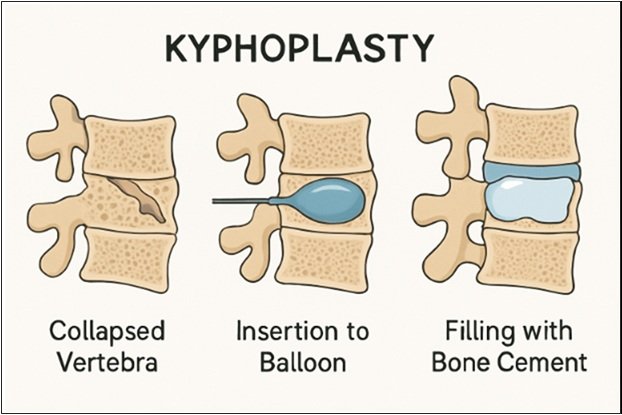
Kyphoplasty is a minimally invasive procedure that addresses vertebral compression fractures by tackling the root of pain directly. During the procedure, a balloon is inserted into the fractured vertebra and gently inflated to restore lost height. Once space has been created, bone cement is injected to stabilize the bone and secure the repair. This approach aims to relieve pain, prevent further vertebral collapse, and improve posture and mobility.
The Kyphoplasty Procedure
The kyphoplasty procedure is performed in a sterile environment, usually under local or general anesthesia. The process is typically completed in under an hour for each treated vertebra. The main steps include:
1. Patient Preparation: The patient lies face down. After the skin is cleaned and numbed, careful imaging guides the physician throughout the process.
2. Balloon Insertion: A small needle is inserted through the skin into the vertebral body under X-ray guidance. A balloon is introduced and inflated, gently lifting the collapsed area to restore vertebral height.
3. Cement Delivery: Once the space is established, the balloon is withdrawn. Bone cement is injected into the cavity. The cement hardens quickly, stabilizing the bone and often leading to rapid pain reduction.
4. Finishing Up: The instruments are removed, and a simple bandage is applied. Most patients are observed briefly before returning home the same day.
Benefits of Kyphoplasty
Patients frequently experience several advantages following a kyphoplasty procedure. Key benefits include:
● Rapid pain relief, often within days or even hours post-procedure.
● Improved spinal alignment through the restoration of vertebral height, reducing deformities such as kyphosis (hunchback).
● Minimally invasive nature, which means smaller incisions, less tissue damage, and shorter recovery times compared to traditional open surgery.
● Potential for enhanced mobility and a faster return to daily activities.
Potential Risks and Complications
Like all medical interventions, kyphoplasty comes with potential risks. While serious complications are rare, it is important to be aware of the possibilities. These include:
● Infection at the site of the needle insertion.
● Bleeding, swelling, or worsening back pain at or near the treatment site.
● Nerve injury, leading to numbness or weakness in the legs or surrounding muscles.
● Allergic reactions to medications or bone cement materials used during the procedure.
● Cement leakage, a rare complication, may irritate nerves or, in very rare cases, move cement to other areas, which can cause additional symptoms.
To reduce these risks, the procedure is performed using real-time imaging, and most patients are carefully selected based on medical history and fracture type.
Alternative Treatments
Although kyphoplasty is highly effective, it is not the only option for treating spinal fractures. Some of the main alternatives include:
● Conservative Management: This approach involves a combination of rest, pain medications, physical therapy, and, sometimes, a back brace. The goal is to allow natural healing while supporting the spine.
● Vertebroplasty: Similar to kyphoplasty, this procedure involves injecting bone cement directly into the fractured vertebra without using a balloon to restore height. The differences between vertebroplasty and kyphoplasty can sometimes influence which is chosen in a given case.
● Traditional Surgery: In situations where conservative and minimally invasive treatments are not enough, more extensive surgery, like spinal fusion, may be considered. This is usually reserved for the most severe or unstable fractures.
Patients and providers often evaluate these choices together, considering the unique nature of each case and the patient’s overall health.
Post-Procedure Care and Recovery
After kyphoplasty, patients are observed in a recovery area, with most able to return home within hours. Instructions for a successful recovery include:
● Avoid strenuous activity for several weeks and gradually increase movement as tolerated.
● Engaging in gentle walking or appropriate physical activity to promote circulation and overall health.
● Keeping scheduled follow-up visits to monitor healing and promptly address any concerns.
Most patients notice a rapid improvement in mobility and reduced pain, helping them return to regular routines with appropriate medical supervision.
Final Thoughts
Kyphoplasty represents a significant advancement in the care of spinal fractures caused by osteoporosis, trauma, or cancer. Patients benefit from a minimally invasive approach that often delivers rapid pain relief and improved function. However, as with all procedures, careful consideration and consultation with a qualified medical professional are important to determine the most suitable treatment path. Exploring all available options ensures that each patient receives personalized care tailored to their unique health needs.